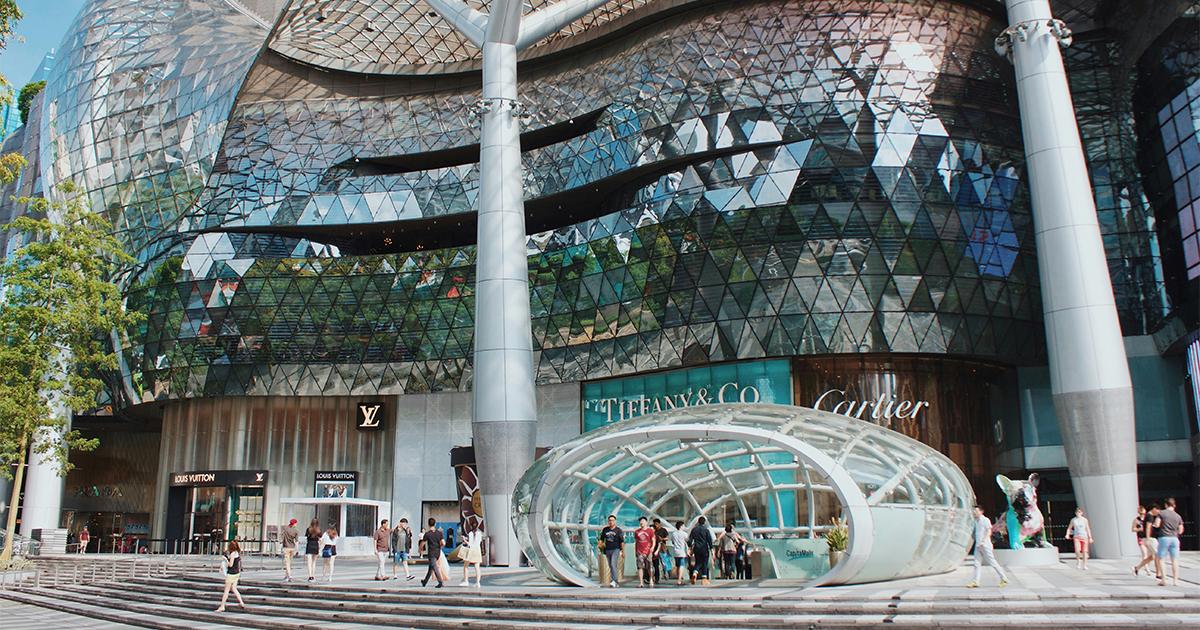
The Shift Toward Experiential Retail in Urban Spaces
Welcome to the age of experiential retail, where consumers are immersing, engaging, and Instagramming every moment. Oh, and lest we forget, shopping.

Welcome to the age of experiential retail, where consumers are immersing, engaging, and Instagramming every moment. Oh, and lest we forget, shopping.
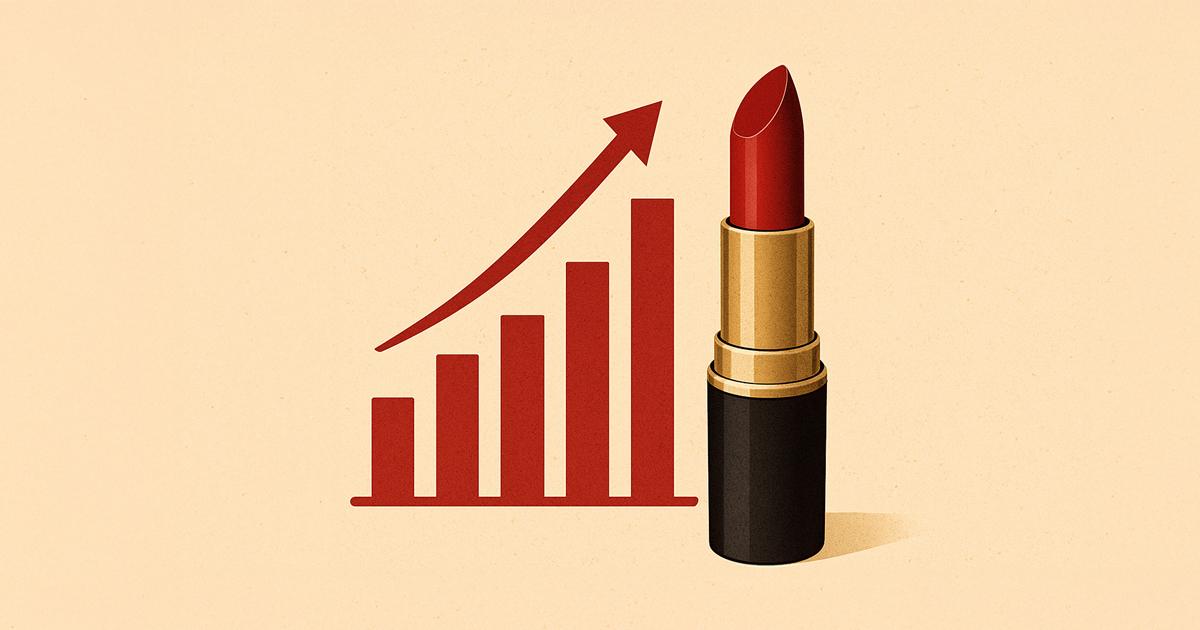
In times of crisis, beauty has always outperformed. But is that still true in 2025? And how much longer can the Lipstick Index really hold?
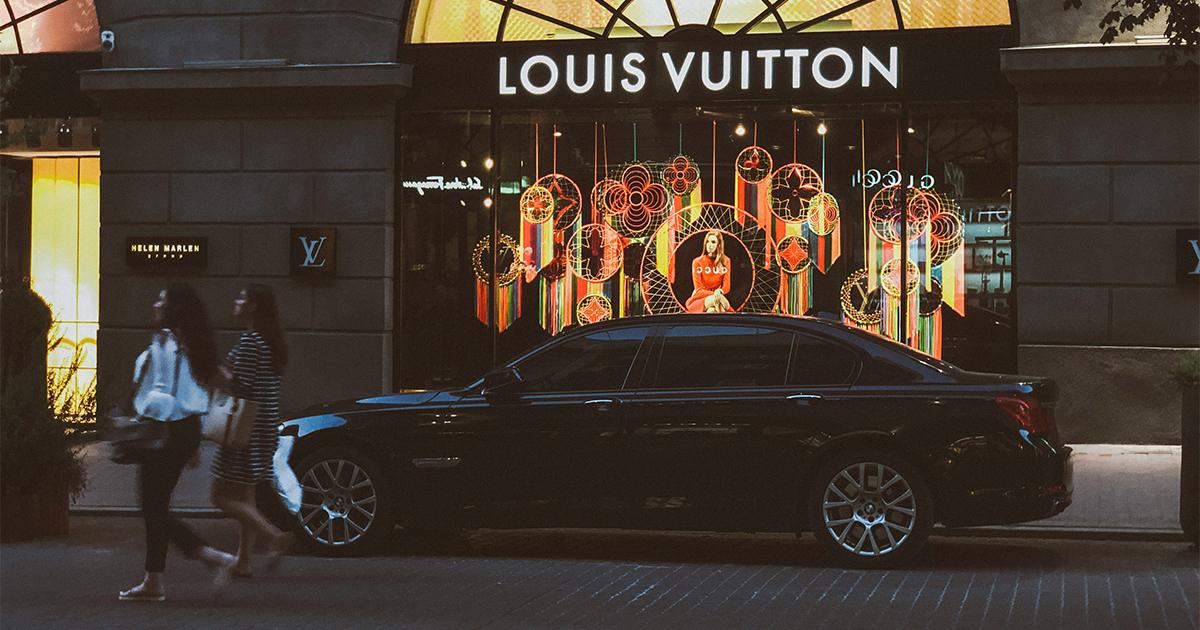
As AI-generated content floods the digital landscape, luxury brands face a major moment: how can they protect authenticity and rebuild consumer trust?

Rising prices, economic fatigue, and shifting consumer behavior are redrawing the grocery retail landscape. Here’s what’s changing and why it matters.

Fashion’s sustainability playbook is wearing thin in 2025. Consumers are no longer impressed by pretentious words—they want proof. And it’s time for brands to rethink
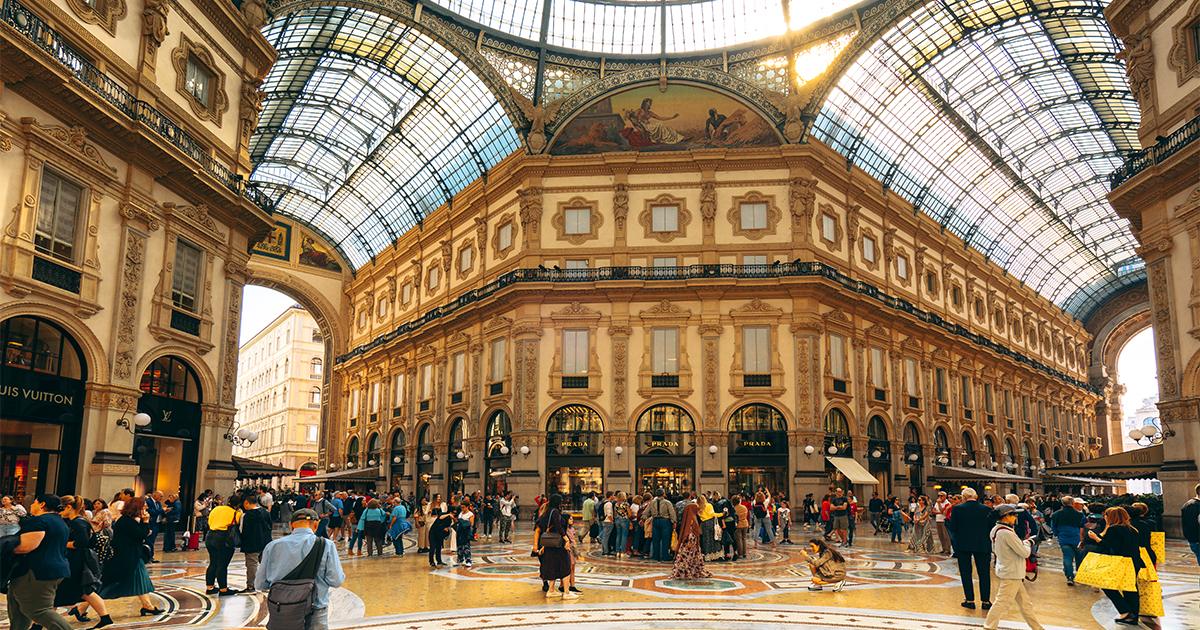
Retail is changing. Across the globe, department stores, malls, and retail spaces are transforming into cultural hubs, reflecting the identities of the communities they serve,
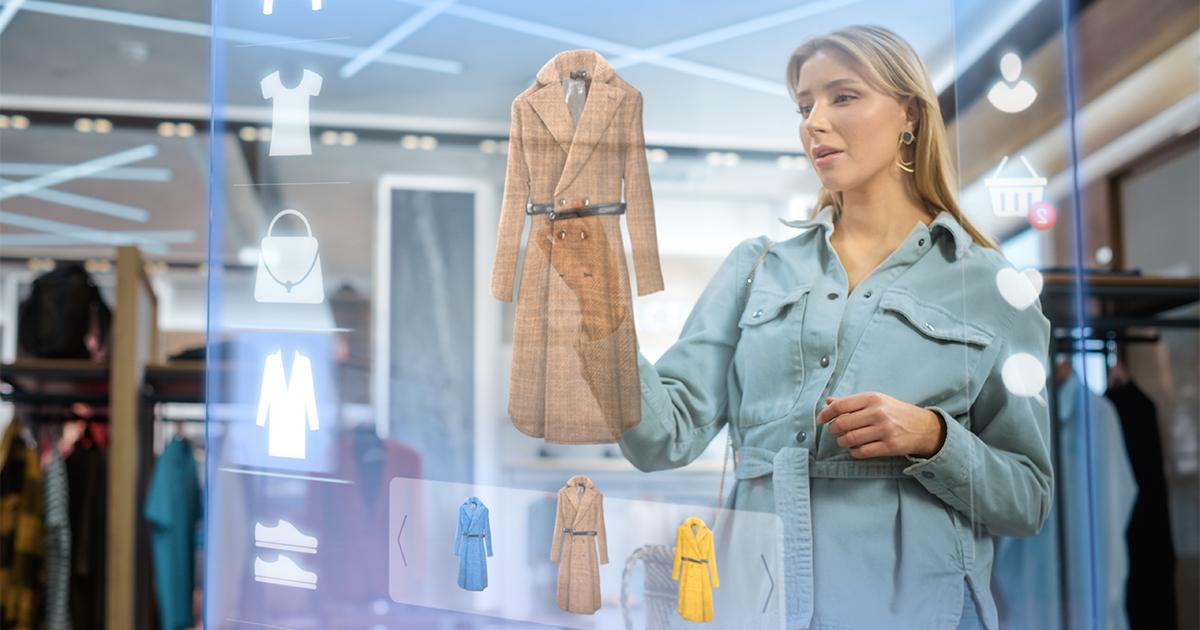
Every brand talks about retail personalization. But most stores still feel like they’re built for everyone. And no one. Because the real divide isn’t digital

As someone who considers “Add to cart” a lifestyle choice, I had to see what all the AI fuss is about.

Traditional e-commerce is giving way to immersive, real-time, and culturally driven retail. From livestream shopping to TikTok-powered sales, this is the new retail frontier.
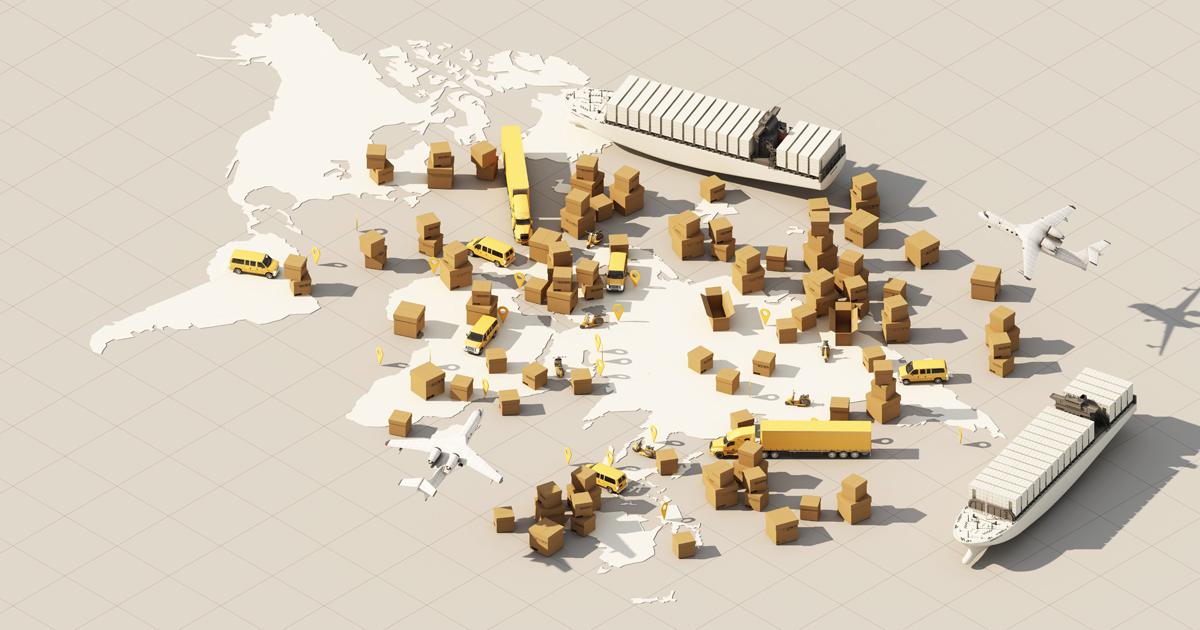
The global retail industry is entering an era where tariffs, trade wars, and nationalistic policies are reshaping the very foundation of commerce.

E-commerce is evolving beyond transactions, with social commerce, AI-driven personalization, and community engagement transforming consumer interactions and redefining digital retail. The “Navigating a New Frontier

Fast fashion has thrived on speed, scale, and short-term wins. But the cracks are showing. Now, a proposed bill from the land of croissants and
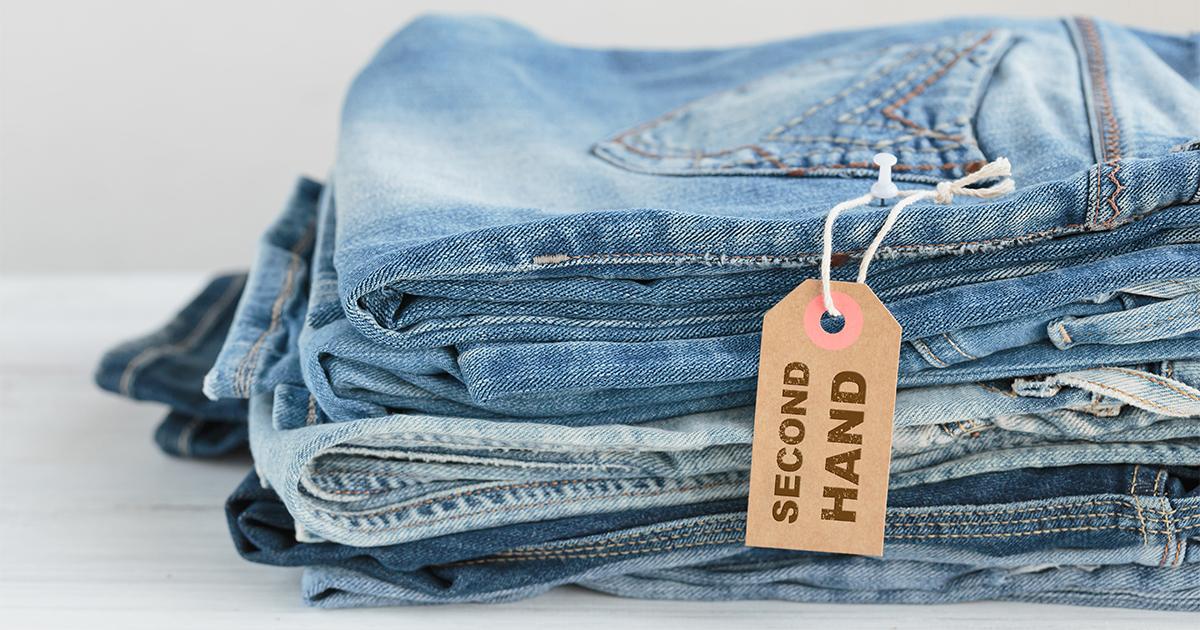
Secondhand doesn’t mean second best. What was once a niche market for bargain hunters and vintage enthusiasts has become a $367 billion industry that’s only
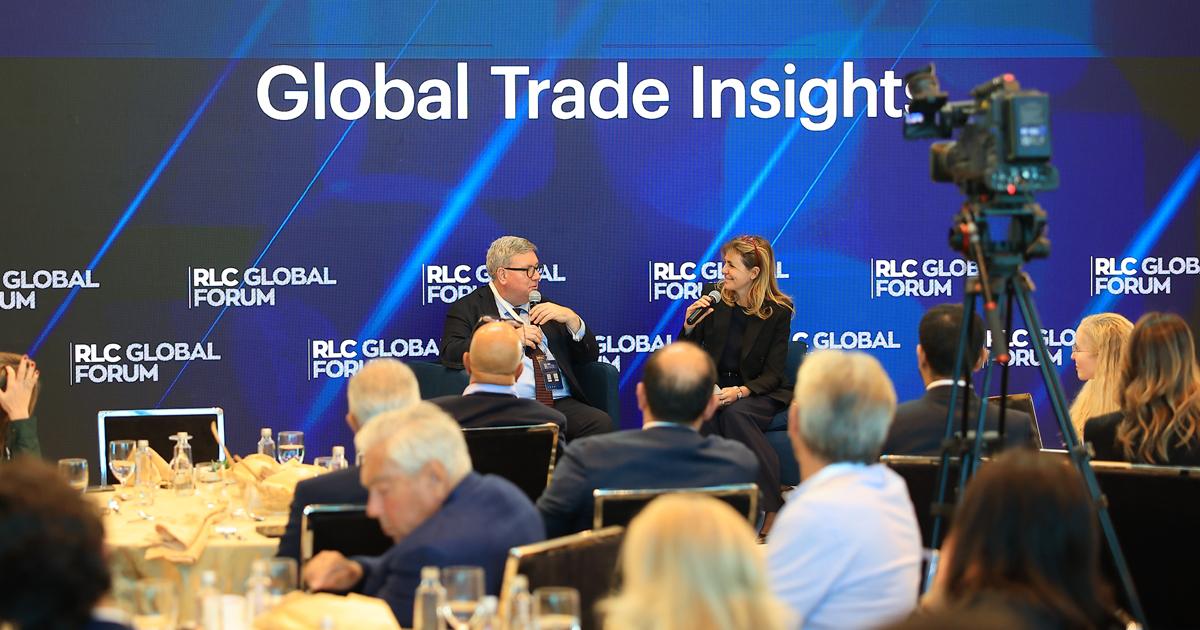
One of today’s biggest economic challenges is the shift from globalization to trade polarization, as nations prioritize domestic industries, strengthen barriers, and form regional alliances.
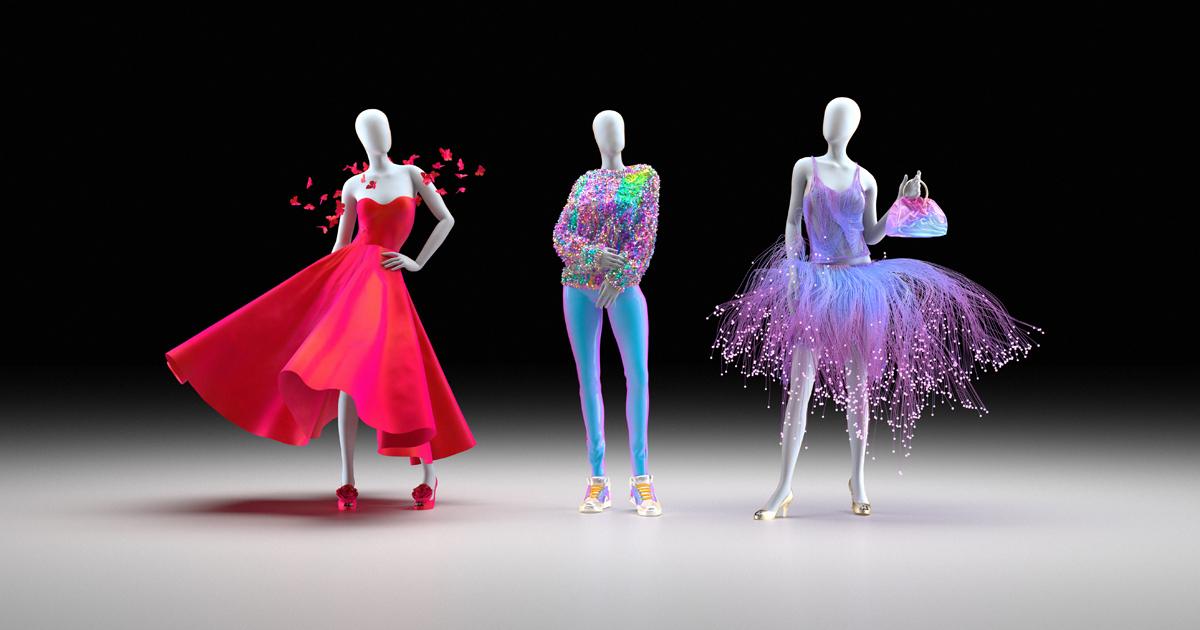
Move over, tarot cards. Retailers have a new oracle—and it’s powered by algorithms.