
Consumers today are more informed, selective, and value-driven than ever before. They are no longer simply looking for a product, they expect a seamless shopping experience, convenience, and personalization across all channels. Retailers who continue to rely on outdated strategies, such as one-size-fits-all pricing, mass promotions, and generic customer service, risk becoming obsolete.
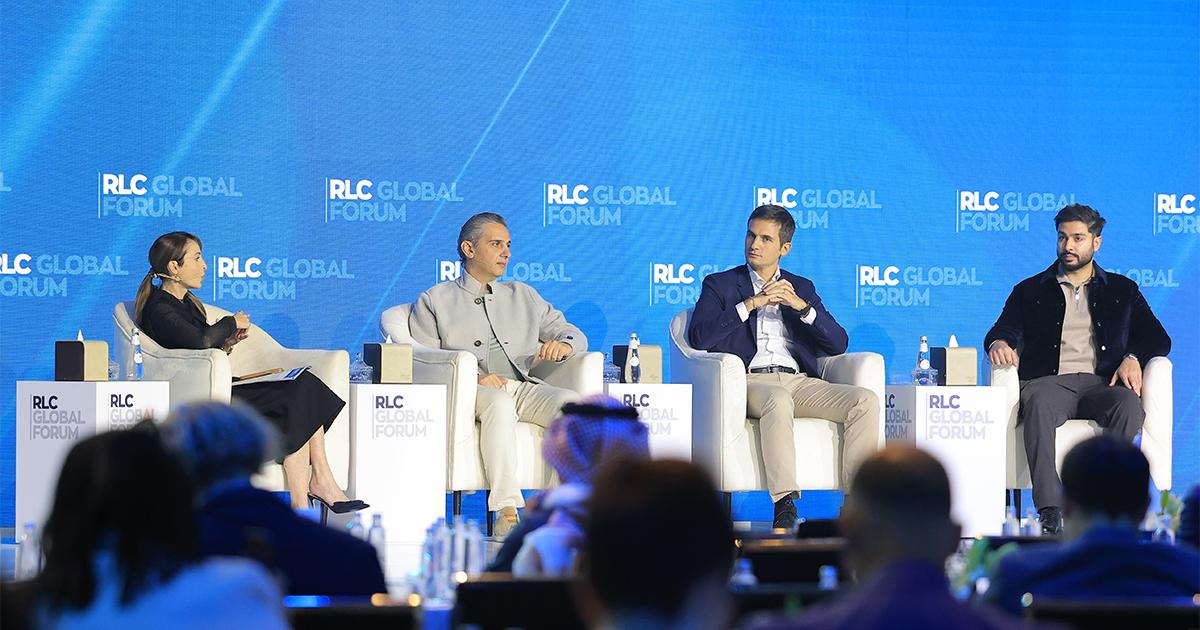
This theme is echoed by leaders at the forefront of retail innovation, such as Fahed Ghanim, CEO of Majid Al Futtaim – Lifestyle, who emphasizes the importance of understanding the customer at every touchpoint. Alongside voices like Amir Awan, Founder & CEO of Dupeshop Beauty, and Remo Giovanni Abbondandolo, General Manager for MENA at Checkout.com, the retail industry is coalescing around the urgent need to rethink traditional models. Their insights, shared in conversation moderated by Nisreen Shocair, CEO and Founder of The Shocase Network at the 2025 RLC Global Forum, reflect a broader consensus: the retail industry is shifting toward a model where AI-driven insights, hyper-personalization, and immersive in-store experiences drive customer engagement.
AI is becoming a strategic enabler that helps businesses predict consumer demand, personalize interactions, and optimize operations.
Retailers are leveraging AI-powered analytics to:
- Improve inventory management, reducing overstock and out-of-stock situations.
- Enhance customer personalization, ensuring shoppers receive tailored promotions and product recommendations.
- Streamline payment and checkout processes, increasing transaction acceptance rates and minimizing abandoned carts.
AI has also transformed the in-store experience, with retailers implementing tools such as:
- Augmented reality (AR) product try-ons, which allow customers to see how a product will look before purchase.
- AI-driven store layouts, ensuring that high-demand products are placed where they will maximize engagement and conversions.
The retail consumer today is highly selective and price-sensitive but also increasingly values authenticity and ethical business practices. Brands that fail to align with these expectations risk losing relevance, no matter how well-established they may be.
Key trends defining the modern retail industry consumer include:
- The demand for speed – Whether in-store or online, consumers expect fast, hassle-free transactions, real-time inventory availability, and quick delivery options.
- Price transparency – Digital tools and social commerce have empowered consumers to compare prices instantly, making pricing strategies more crucial than ever.
- The rise of sustainability-conscious shoppers – Consumers are actively supporting brands that demonstrate ethical sourcing, sustainability, and social responsibility.
As digital transactions increase, retailers are focusing on simplifying the payment process to reduce friction and boost customer retention. Payment innovations such as Buy Now, Pay Later (BNPL) and one-click checkouts have reshaped consumer expectations. However, there is a need for balance between convenience and financial responsibility. While BNPL has seen massive adoption, especially in Saudi Arabia, there are growing concerns over customer dependency and financial risk management.
Another key shift in payments is the rise of seamless, integrated checkout experiences, where businesses leverage AI to:
- Reduce transaction declines, improving acceptance rates and customer satisfaction.
- Enable cross-border transactions, allowing consumers to shop globally without payment barriers.
- Provide tailored payment options, giving shoppers greater flexibility in how they complete their purchases.
Key Statistics
- Retailers using AI-driven demand forecasting have reduced overstock by up to 30%, improving profitability.
- In Saudi Arabia, over 60% of online purchases now utilize Buy Now, Pay Later (BNPL) services, showcasing the growing demand for flexible payment solutions.
- Personalized marketing campaigns based on customer data see engagement rates 2.5x higher than traditional mass promotions.
“Owning the customer means understanding them at every touchpoint, not just during a transaction. True loyalty comes from a seamless, personalized experience across the entire brand ecosystem.”
– Fahed Ghanim


