
Luxury retail has always been about exclusivity and tailored experiences, but today’s consumers expect real-time, data-driven personalization that anticipates their needs before they even step into a store. High-net-worth clients demand seamless recognition across locations, whether shopping in Milan, Paris, or Riyadh. Luxury brands are increasingly adopting AI-powered clienteling tools, enabling sales teams to craft customized outreach strategies that drive engagement and loyalty.
These digital solutions go beyond basic personalization—they curate product recommendations, suggest optimal engagement moments, and tailor communication touchpoints, leading to significantly higher conversion rates and deeper brand connection.
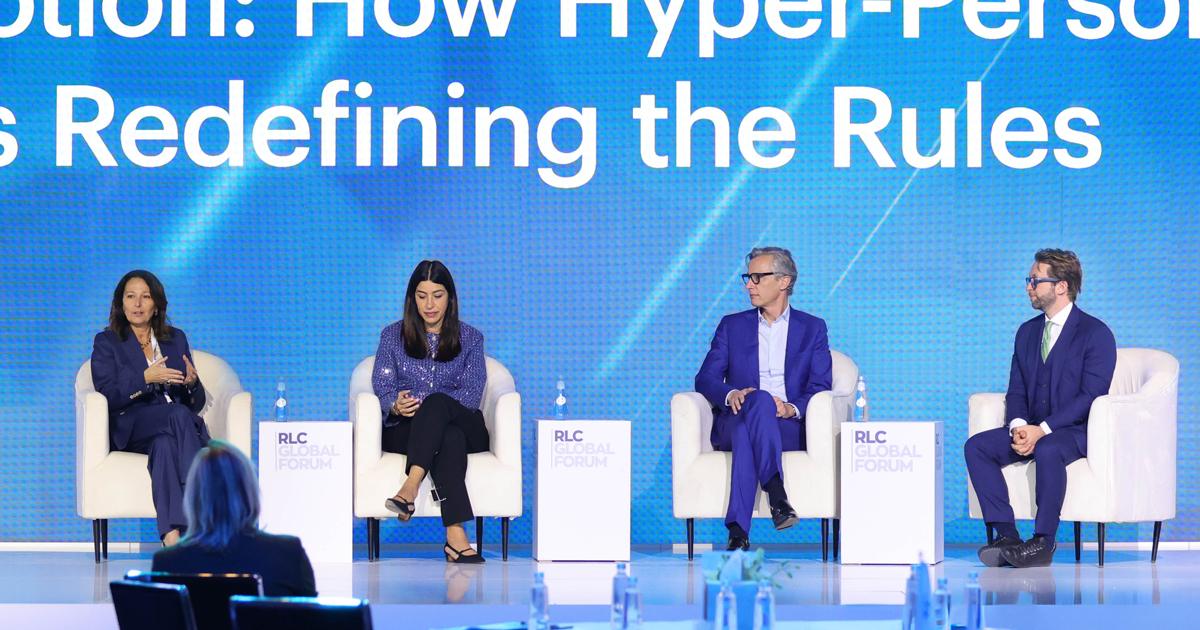
Yet, as highlighted in the RLC Global Forum session “Luxury in Motion: How Hyper-Personalization is Redefining the Rules,” achieving this level of personalization at scale comes with challenges. Without a robust data strategy, even the most advanced AI tools fall short of delivering seamless, high-touch luxury retail experiences. Brands must break down internal silos and modernize legacy data infrastructures to meet the rising expectations of their Very Important Clients (VICs).
This dynamic conversation, moderated by Filippo Bianchi, Managing Director and Senior Partner at BCG, features insights from Stefania Lazzaroni, CEO of Altagamma, Hala Zgeib, Head of Luxury at Snap Inc., and Geoffroy van Raemdonck, former CEO of Neiman Marcus Group and a leading voice in global luxury retail.
The luxury sector in the GCC is expanding at twice the global average, presenting immense opportunities for brands looking to grow in the region. Despite this, a major disparity remains in spending patterns—while the UAE accounts for 60% of luxury sales, Saudi Arabia, home to 60% of the GCC’s population, remains underdeveloped as a luxury market.
To capitalize on this growth, brands must localize their approach, blending global prestige with regional cultural nuances. This includes:
- Integrating Saudi designers and brands alongside international luxury labels.
- Offering VIP experiences tailored to local consumer preferences.
- Strengthening omnichannel engagement, ensuring a seamless journey between digital platforms and physical retail.
With the GCC’s luxury consumer base younger than in traditional markets, brands must embrace digital-first strategies. Unlike in the U.S. and China, where older consumers drive luxury sales, the Middle East’s luxury clientele is predominantly under 35, making AI-driven marketing, social commerce, and immersive digital experiences essential. Augmented Reality (AR), AI-powered analytics, and smart loyalty programs are reshaping how consumers interact with luxury brands.
Digital innovation is now at the core of luxury marketing and personalization, enabling consumers to virtually try on products, experience collections before purchase, and receive customized recommendations in real-time. Social platforms are also redefining engagement. AI-driven marketing and dynamic storytelling tools allow brands to craft personalized, visually rich experiences, making luxury retail feel even more exclusive and interactive. For luxury brands, the future is not just about selling products. Ιt is about curating digital and in-store experiences that create deep emotional connections with clients
“Personalization is no longer a nice-to-have; it’s an expectation. Whether in Milan, Paris, or Riyadh, VICs demand a tailored experience that reflects their preferences and lifestyle.”
– Stefania Lazzaroni


