
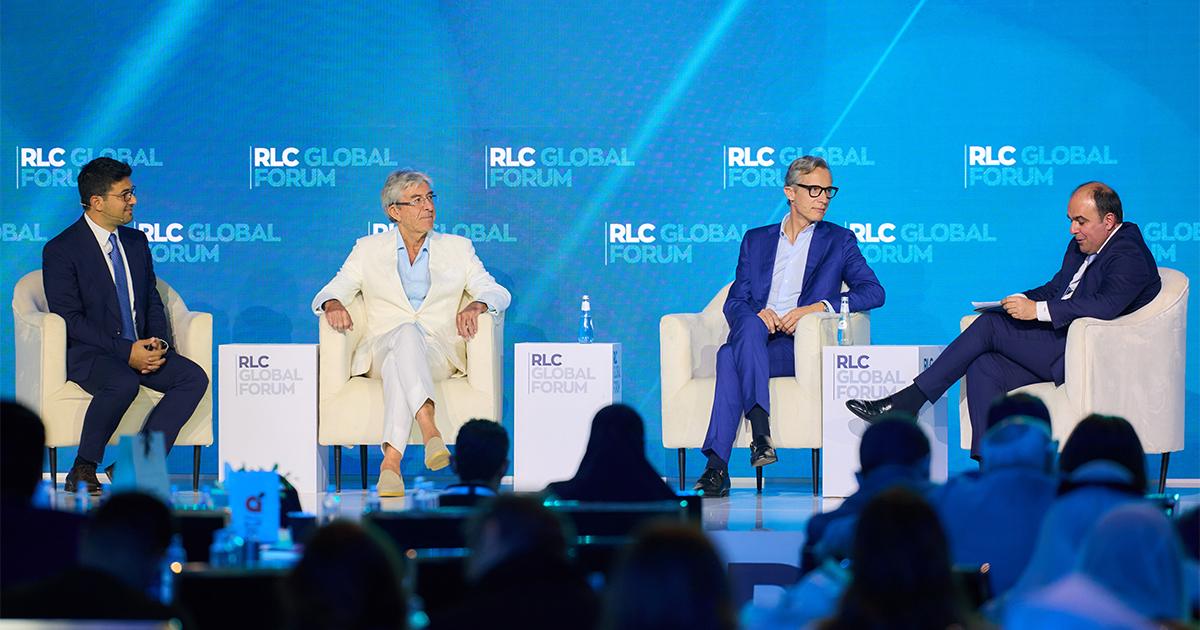
“The Business of Luxury: Steering Organizations Towards Sustainable Growth,” panel discussion at the 2025 RLC Global Forum in Riyadh brought together top voices in global luxury. Michael Chalhoub, CEO of Chalhoub Group; Michael Ward, Managing Director of Harrods; and Geoffroy van Raemdonck, former CEO of Neiman Marcus Group and luxury retail expert, shared insights on how the luxury sector is adapting to shifting consumer expectations. From AI-driven personalization and data-led clienteling to the rise of experiential retail and regional innovation, the panel explored how brands can stay resilient amid economic and geopolitical headwinds. Moderated by Panos Linardos, Chairman of the RLC Global Forum, the session underscored the importance of emotional engagement, sustainability, and continuous reinvention in sustaining luxury’s long-term growth.
Regional Dynamics: The Middle East’s Luxury Boom
The Middle East remains a key growth market for luxury, despite global economic slowdowns. The region’s luxury sector is growing at a rate of 4%, surpassing the global average, with significant potential for continued expansion. The discussion highlighted the need to revitalize local luxury shopping experiences, emphasizing personalization and emotionally engaging retail environments to counteract high VAT rates and encourage domestic spending.
Leaders stressed that resilience against geopolitical and economic challenges can be achieved by crafting unique, high-touch experiences. A recurring theme was that complacency leads to irrelevance, making constant innovation essential for sustained growth. The panelists also examined the evolving role of department stores in luxury, emphasizing the need to add value beyond transactions by curating exclusive products and leveraging data-driven personalization to enhance customer relationships.
Personalization & Data: The AI-Driven Luxury Experience
Luxury consumers today seek more than just products; they crave personalized, curated experiences that align with their values and aspirations. Brands are leveraging AI-driven customer insights to deepen engagement, tailoring interactions based on shopping behaviors and preferences.
The panel discussed the impact of AI-powered clienteling tools, which allow retailers to anticipate customer needs and personalize the shopping journey. Neiman Marcus’ AI-driven outreach strategy has contributed to $1 billion in revenue, demonstrating how predictive analytics can drive deep customer loyalty.
Harrods, for example, has created exclusive private shopping experiences, designed to mirror the standards of luxury five-star hotels, ensuring an ultra-personalized, seamless retail journey. This shift marks a broader industry trend: luxury is no longer just about exclusivity but about customization and emotional connection.
Exclusivity vs. Inclusivity: Striking the Right Balance
The discussion highlighted a key question in today’s luxury market: Can exclusivity and inclusivity coexist? The consensus was that luxury brands can maintain exclusivity while fostering a culture of belonging and accessibility.
Brands are navigating this balance by expanding their reach to younger, digitally savvy consumers without diluting their core identity. The Middle Eastern luxury consumer is no longer just following global trends but is actively setting them, demanding tailored experiences that blend cultural relevance with international prestige.
Another challenge is guiding global luxury brands into the Middle Eastern market, ensuring that products and experiences are culturally aligned while integrating sustainability and ethical practices—two key priorities for younger, values-driven consumers.
Innovation & the Consumer Experience: The Future of Retail
Innovation remains at the core of luxury’s next evolution. Brands are embracing technology, sustainability, and design-forward thinking to enhance the consumer journey. Successful collaborations, such as those involving Takashi Murakami and Loro Piana, serve as examples of how creative partnerships can refresh a brand’s appeal while maintaining authenticity.
Beyond product innovation, retail experiences are becoming more immersive. The panelists emphasized the rise of retail-tainment, blending shopping with entertainment and interactive experiences to create more engaging in-store environments.
Brands like Chalhoub Group are investing in localized innovation hubs, working with retail-tech startups and regional designers to anticipate and respond to shifting consumer expectations. There is also a growing focus on developing in-house brands that cater specifically to regional luxury consumers, ensuring a tailored approach that goes beyond simple brand partnerships.
“Luxury is about emotions. It’s about creating a unique, personalized experience that resonates with the cultural fiber of our customers.” Michael Chalhoub
Sustainability & the New Luxury Consumer
Sustainability is now a critical factor in luxury retail. The discussion highlighted how brands are investing in:
- Circular fashion models, including resale and rental programs.
- Ethical sourcing and transparent supply chains to maintain credibility.
- AI-driven sustainability solutions that optimize supply and demand, reducing waste.
The next generation of luxury consumers—particularly Gen Z and Millennials—is increasingly values-driven, prioritizing brands that align with their sustainability expectations. As a result, luxury groups are embedding sustainability into their core strategies, ensuring long-term brand relevance.
The Outlook for Luxury: Adapting While Staying True to Brand DNA
Luxury retail must continuously evolve, balancing tradition with innovation. The discussion reinforced that success lies in a customer-centric approach, where brands:
- Leverage data and AI to provide hyper-personalized experiences.
- Invest in experiential retail, ensuring that physical stores remain relevant in a digital world.
- Prioritize sustainability, responding to consumer demands for ethical luxury.
Key Statistics
- 50% of luxury buyers in the MENA region are under 35, signaling a generational shift in luxury consumption.
- AI-driven personalization has boosted customer engagement by 40%, making it a crucial tool for modern luxury retail.
- Luxury resale and circular fashion are projected to grow by 65% over the next five years, reflecting a shift toward sustainability.
“If you are complacent, you will lose. Being a little uncomfortable is a very good thing, it drives innovation and keeps us ahead.” Michael Ward


