
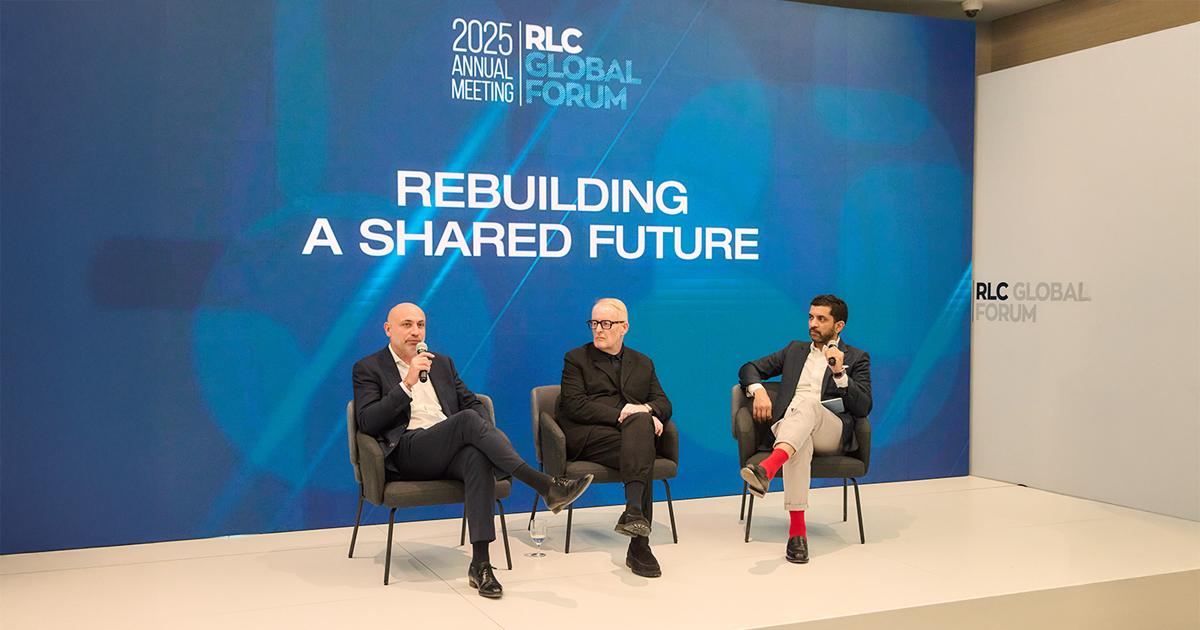
The Saudi retail market is unique, driven by a youthful, hyper-connected population. With 62% of Saudis under 30 years old, and mobile penetration exceeding 115%, today’s shoppers are digitally native, brand-conscious, and eager for new experiences. In the past, department stores served as a one-stop solution for discovery, curating brands and offering a wide range of products under one roof. But in 2024, with e-commerce giants offering instant access to global brands, department stores must reinvent themselves as more than just shopping destinations. This urgent need for reinvention was at the heart of the discussion led by Philippe Pedone, International Vice President and Executive Board Member at Galeries Lafayette, and David Wilkinson, Executive Director at Steen & Strøm at the 2025 RLC Global Forum. Moderated by Selvane Mohandas du Ménil, Managing Director of the International Association of Department Stores (IADS), the conversation explores how department stores must evolve to stay relevant in the Saudi market and beyond.
Consumers now expect interactive experiences, seamless online-to-offline engagement, and tailored services. Department stores in 2025 that succeed will be those that embrace experiential retail, prioritize storytelling, and curate exclusive product offerings that cannot be found elsewhere. As online shopping grows, department stores must move beyond transactions and create compelling, immersive experiences that bring consumers into their spaces. This shift is already happening, with leading brands introducing:
- Multi-category experiences blending fashion, wellness, and lifestyle offerings.
- Interactive spaces like tech hubs, beauty lounges, and customization stations where customers can engage with brands directly.
- Cultural and community-driven events that transform department stores into social and entertainment hubs rather than just retail centers.
The example of Galleries Lafayette in Paris shows the transformation of 3,000 square meters of space into a wellness hub, featuring yoga studios, skincare services, and wellness experiences. This shift away from traditional retail towards service-led engagement is proving successful in attracting new-generation consumers.
With plans to open a Galleries Lafayette in Riyadh by 2026, Saudi Arabia presents a huge opportunity for department stores willing to innovate. The challenge, however, is ensuring that the concept adapts to the local market. Successful department stores in the region will need to:
- Blend global luxury with local identity, offering a mix of high-end international brands alongside Saudi designers and emerging talent.
- Enhance customer loyalty through omnichannel engagement, ensuring VIP clients receive a personalized shopping experience both in-store and online.
- Provide seamless integration between physical and digital retail, offering services like click-and-collect, same-day delivery, and concierge shopping.
The Saudi 100 Brands program, which showcases local designers internationally, demonstrates the potential for collaborations between global department stores and Saudi talent, ensuring that retail offerings feel authentic and culturally connected.
The future of department stores is data-driven and hyper-personalized. Technology is already transforming how stores operate, with:
- AI-driven personalization, where algorithms curate tailored recommendations based on shopping habits.
- Smart loyalty programs that reward high-value customers with exclusive perks, experiences, and early access to collections.
- Augmented reality (AR) and virtual styling tools, allowing customers to visualize products and try them digitally before purchasing.
Successful department stores in 2025 will be technology-first, ensuring that the customer journey is frictionless, immersive, and highly personalized.
“Authenticity is critical. The most successful department stores don’t just bring brands—they connect with culture, celebrate local identity, and create emotional connections with customers.”
– David Wilkinson


